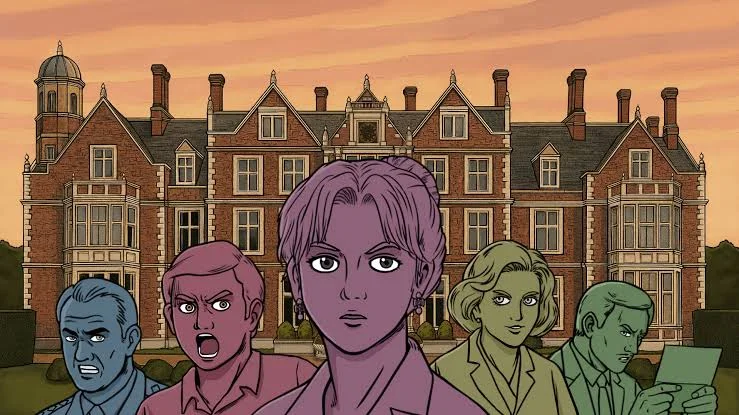
Is Death at Fleming Manor worth a weekend of tea-stained paperwork? Across early reviews, the answer leans yes for Obra Dinn and Golden Idol fans, with scores clustering in the high sevens to nines, even when writers ding stiff dialogue or stubborn puzzle logic.
What critics scored
Grace Dean at The Wand Report filed an 8/10 on a pre-launch PC build, calling it a love letter to classic detective writers and a clever coroner twist on the whodunnit. James Gregory at Play Save Repeat also landed on 8/10, praising puzzle design and the investigative fantasy while noting imperfect writing. Korean outlet This Is Game scored it 8.4/10 for weaving forensics into a database-thriller structure. QuestDaily's Sonia Heng went to 9/10 ("Murderously Good"). Phenixx Gaming was cooler at 7.0/10, liking the job fantasy and art but citing logic snags and a looping score.
The coroner loop
The shared pitch is consistent: you are not the moustache-twirling inspector first. You are the newly appointed coroner in late-1950s Buckinghamshire fiction, clicking shining points of interest, collecting underlined terms, then filling death certificates and companion reports. Medical dictionary entries, morgue consults with pathologist Avery, blood and fingerprint work, and a police-chief quiz show up as the cases escalate. Assists include a limited hint ladder and a sugar-cube tea mechanic that eventually flags wrong fields after repeated submits.
Story shape without spoilers
Reviewers keep the plot under wraps beyond the hook: twelve episodes that braid manor deaths and side cases into one through-line, with four endings waiting once the certificates stack up. The Wand Report flags the convalescent home run by war surgeon Sophia Fleming as the narrative center of gravity without spoiling the turns. Play Save Repeat highlights a World War II field-surgeon flashback as a standout change of pace that also exposed some friction when correcting multi-soldier triage sheets.
Art wins, writing and UX frictions
Art direction is a near-universal plus: hand-drawn ligne claire scenes inspired by 1960s European comics, multi-frame animation, and a studio stance that the graphics are human-made with process videos on YouTube. Atmosphere leans on reading newspapers and letters under a score with little or no spoken dialogue. Where praise softens, it is usually writing that feels stiff for 1950s Britain, occasional period slip-ups (The Wand Report cites a mobile number on a business card), music loops that wear thin, and answer-submit pacing that repeats a long animation on mistakes.
Roundup verdict
Put together, the attributed consensus is that Death at Fleming Manor earns its seat next to fill-in-the-blank deduction games by committing to the coroner fantasy and case variety, not by inventing a wholly new genre. If you want airtight period prose or zero-hint purity, the caveats matter. If you want clever paperwork, forensic vocabulary, and a manor mystery that rewards close looking, the early press roundup says the case is worth opening.
- Best for: fans of Obra Dinn / Golden Idol-style deduction who want a coroner angle
- Watch for: stiff dialogue, occasional logic/period nitpicks, music loops, slow wrong-answer animations
- Structure noted across coverage: about 12 episodes and 4 endings
- Assists: hints plus tea/sugar-cube wrong-field reveals after retries
Launch pricing sits at $17.99 with a short Steam discount window; platforms verified so far are Windows and macOS on Steam.
For launch timing, wishlist figures, AdventureX dates, and the spoiler streaming window, see our Death at Fleming Manor launch note.